
How to Prepare for a Bathroom Remodel: A Step-by-Step Guide
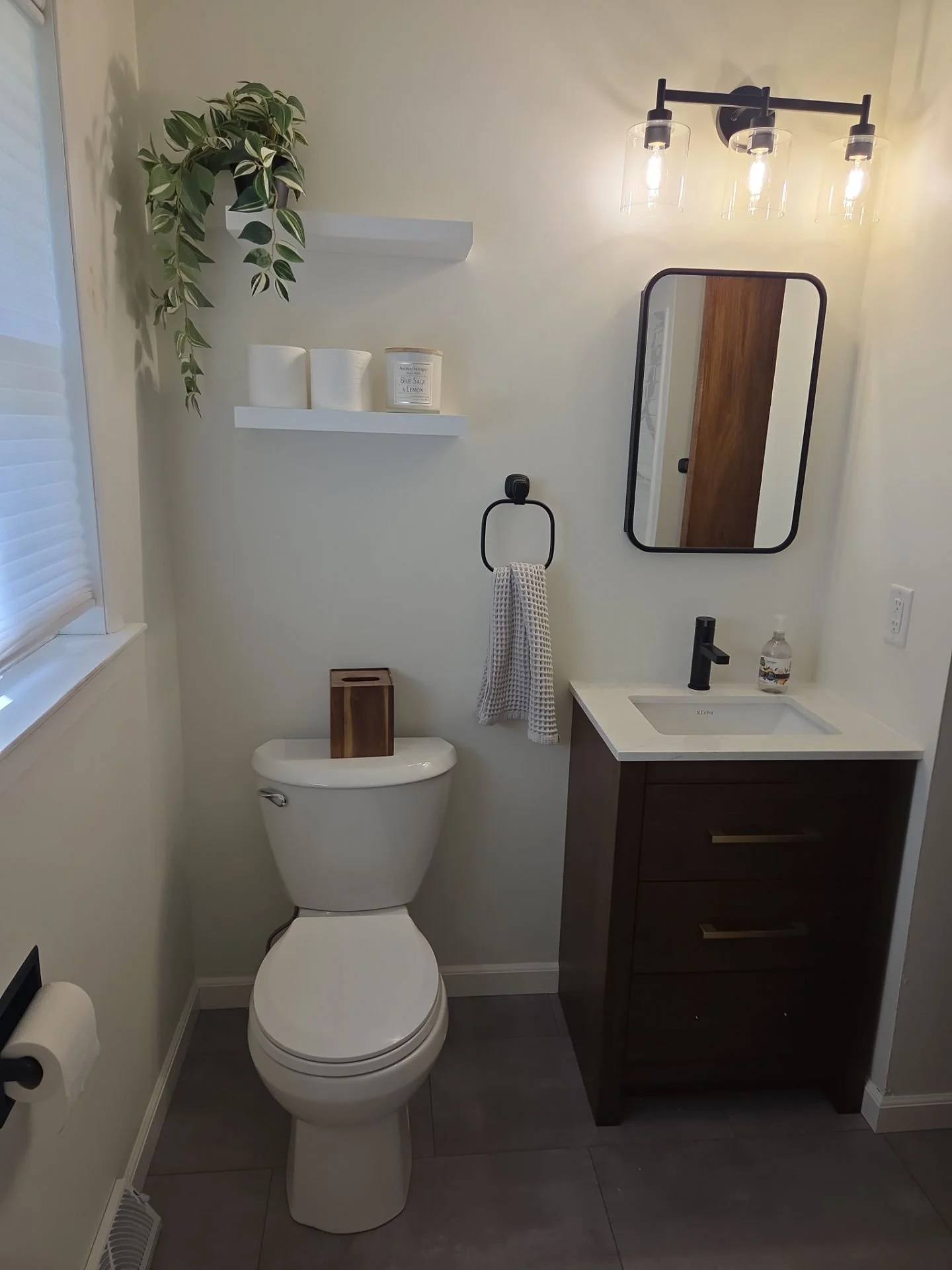
A bathroom remodel can be one of the most rewarding home improvement projects. Whether you're updating outdated features, increasing functionality, or creating a spa-like retreat, a well-planned remodel can boost the value of your home and enhance your daily routine. However, the process can seem overwhelming if you're unsure where to start.
In this guide, we'll walk you through each step of the bathroom remodeling process—from initial planning to the final touches—with tips on budgeting, timelines, and design ideas to ensure your project goes smoothly.
Step 1: Assess Your Needs and Set Your Goals
Before diving into the design and construction, it’s important to clearly define what you want to achieve with your remodel. Consider the following:
Functionality: Are you looking to create more storage space, replace old fixtures, or improve the layout for a better flow?
Style: Do you want a modern, minimalist bathroom, or are you more inclined toward a classic, traditional style? What style would work well with the rest of your home?
Accessibility: If you're planning to stay in your home long-term, or entertain guests regularly, think about adding features that increase accessibility for everyone, such as faucets with easy-to-use levers, adjustable shelving, a hand shower, or a raised toilet.
Take time to make a list of what you must have (new vanity, updated lighting, etc.) and what you would like to have (heated floors, custom tilework, etc.).
Step 2: Set a Realistic Budget
One of the most critical steps in any remodeling project is creating a budget. Setting a budget early on ensures you're not caught off guard by unexpected costs down the line. Consider the following tips:
Do Your Research: Get estimates from contractors, research material costs, and factor in any permits you might need.
Allocate for Hidden Costs: Unexpected issues, like plumbing problems, structural issues, or hidden water damage, can add to your budget. It's wise to set aside 10-20% of your budget for contingencies.
Prioritize: If your budget is tight, prioritize essential updates, like new plumbing or replacing old fixtures, over luxuries like heated floors or designer tiles.
Financing Options: If your budget is tight but the remodel is essential, consider financing options such as a home equity loan, personal loan, or 0% APR credit card.

Step 3: Design Your Dream Bathroom
Now the fun part begins! Designing your bathroom is where you get to be creative and make your space truly reflect your style. If you have already selected a designer or a contractor to work with, they may guide you through the design process, but it is always helpful to have a clear idea of how your dream bathroom would function, and what it would look like. Here are some design tips and ideas:
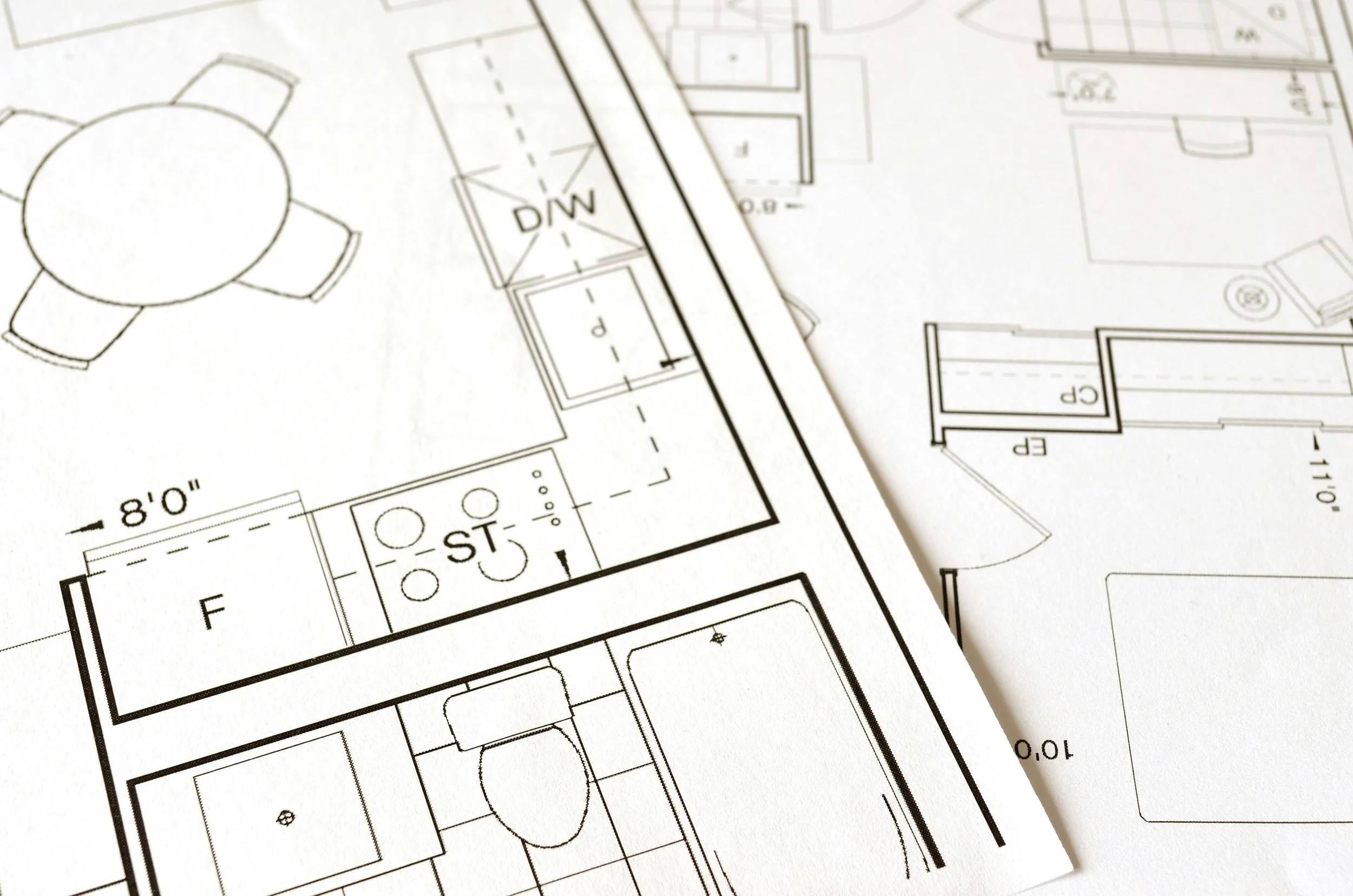
Layout: A bathroom layout that works well is key. If you're working with a small space, pay close attention to the required clearances (minimum distances needed between bathroom fixtures per the building code). You may want to consider a floating vanity, or a compact shower/tub combo. For larger bathrooms, double vanities, and a separate shower and bathtub could be ideal. To keep a bathroom remodel budget under control, know that changing the layout of an existing bathroom can be costly; especially if it includes re-locating a toilet or adding new fixtures, for example converting a half bath into a full bath by adding a shower.
Style: Choose a style that reflects your personal taste and works well with the rest of your home. Some popular bathroom styles include:
Modern: Sleek lines, neutral tones, and contemporary fixtures.
Farmhouse: Vintage fixtures, wood accents, and rustic charm.
Spa-Inspired: Natural materials like stone, wood, and soft lighting to create a peaceful retreat.
Mid-Century Modern: bold colors, natural materials mixed with modern ones, and iconic shapes and silhouettes.
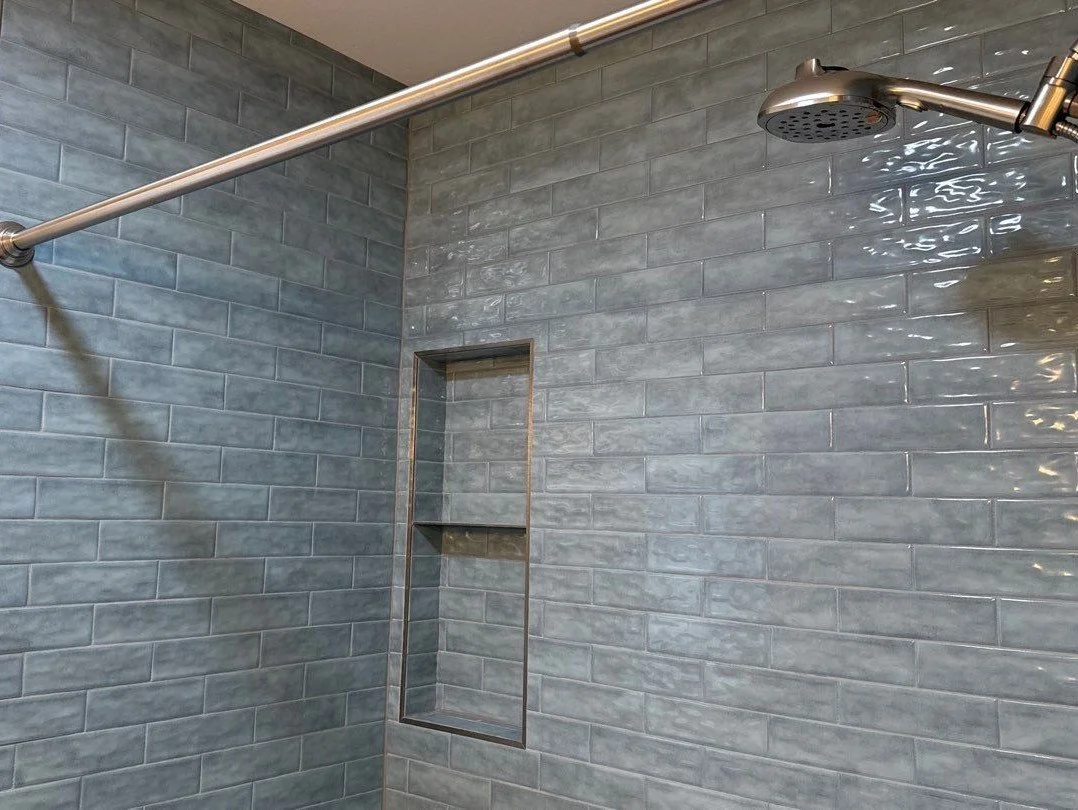
Color Palette: Lighter shades like whites, grays, and soft blues make a bathroom feel airy and spacious. If you're going for a bolder look, deep tones like navy or emerald green paired with gold accents can add luxury and warmth.
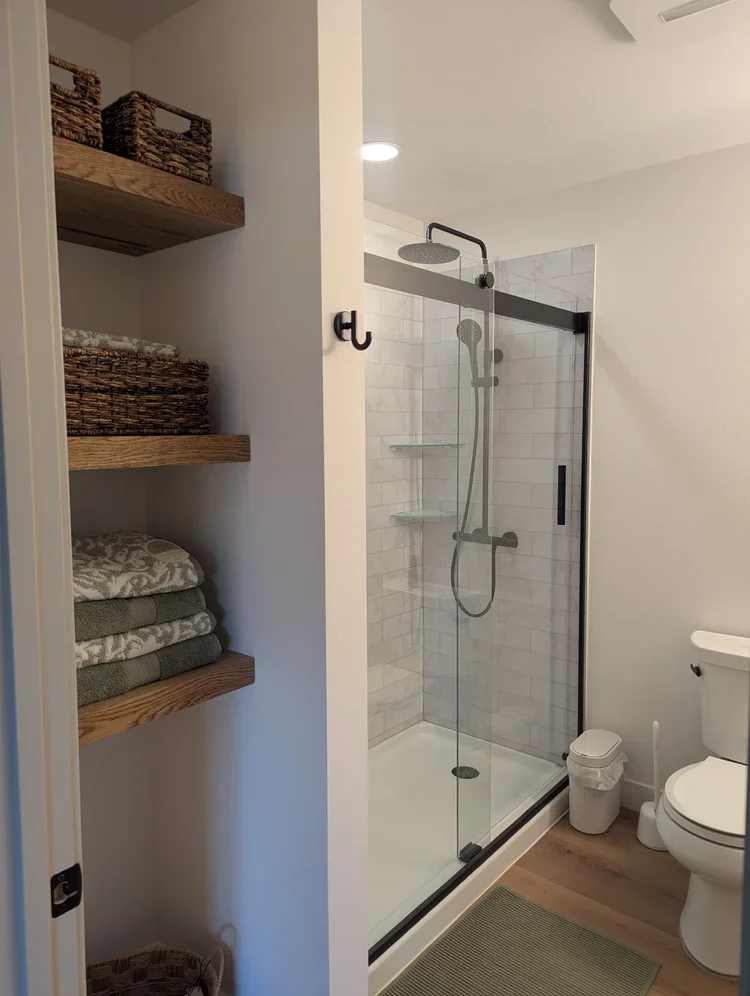
Storage: Consider incorporating built-in shelves, cabinets, or even a small linen closet to keep toiletries and towels organized.
At this stage, it’s helpful to browse Pinterest or bathroom design magazines for inspiration. You can also consult with a designer to refine your ideas and make sure your vision is feasible within your budget and space.

Step 4: Hire the Right Contractors
Choosing the right team for your remodel is crucial to ensuring a smooth and successful project. Here are some tips for hiring contractors:
Get Multiple Quotes: Always get at least three quotes from different contractors to compare pricing, timelines, and approaches.
Check Reviews and References: Look at online reviews and ask for references from past clients. A reputable contractor should have a portfolio of previous work.
Verify Licenses and Insurance: Ensure that the contractor holds the proper licenses for your area and is fully insured. This protects you in case of accidents or damages during the remodel.
Communication: Choose a contractor who is responsive, clear about timelines, and willing to work with your design vision.
NARI Member: Hiring a contractor who is a member of the National Association of the Remodeling Industry (NARI) gives you added confidence that they are experienced, ethical, educated, and accountable.
Guarantees: Talk with potential contractors about their guarantees on the project.
Step 5: Create a Timeline
The timeline for a bathroom remodel can vary depending on the scope of the project, but a typical remodel, working with a professional contractor, usually takes anywhere from 2-6 weeks. During this time, you can expect some disruption in your home and with your typical routines. If you only have one bathroom in your home, be sure to discuss this with the contractor. You may plan to have the remodel done while you are on vacation or staying with friends or family nearby. Here’s a general breakdown of the bathroom remodeling process:
Demolition and Prep Work
This includes tearing out old fixtures, flooring, and sometimes drywall, as well as making any necessary plumbing or electrical updates.
Construction and Rough-ins
Installing new plumbing, electrical work, framing, drywall, and painting. Depending on how many changes to the layout you have, this phase can take a few days or up to 2 weeks.
Tiling and Flooring
Once the construction is complete, the tile work and flooring installation begin. This phase also may include installing a new shower/tub, toilet, or vanity.
Finishing Touches
Installing lighting fixtures, mirrors, accessories, and custom cabinetry. This is the part where you’ll start seeing the space come to life!
Make sure to plan some flexibility in your timeline, as delays can happen—whether due to supply chain issues, unexpected plumbing problems, or weather conditions. Your contractor should communicate with you pre-emptively if they anticipate any delays.
Step 6: Monitor Progress & Stay Involved
While your contractor will take care of most of the work, staying involved in the process is important to ensure the project stays on track and matches your expectations. Here’s how to stay on top of things:
Communicate Regularly: Have regular check-ins with your contractor to discuss the progress and resolve any issues quickly. Let them know how to best contact you during the day.
Keep Track of Materials: Make sure all the materials, such as tiles, vanities, and fixtures, match what you had expected, and don’t have any defects. Mistakes can happen, and homeowners can help the project stay on track if they notice any discrepancies or defects and bring it to the contractors' attention quickly.
Inspect the Work: As work progresses, take the time to inspect the job at each stage. This includes checking plumbing, tiling, and cabinet installations to ensure quality. Voice any concerns that you have with your contractor. They should be able to answer any questions you may have and resolve issues in a timely manner. You may also want to take pictures throughout the job, especially before the drywall gets installed. This will allow you to know where different pipes, electrical lines and studs are located in the walls once they’re all covered up.
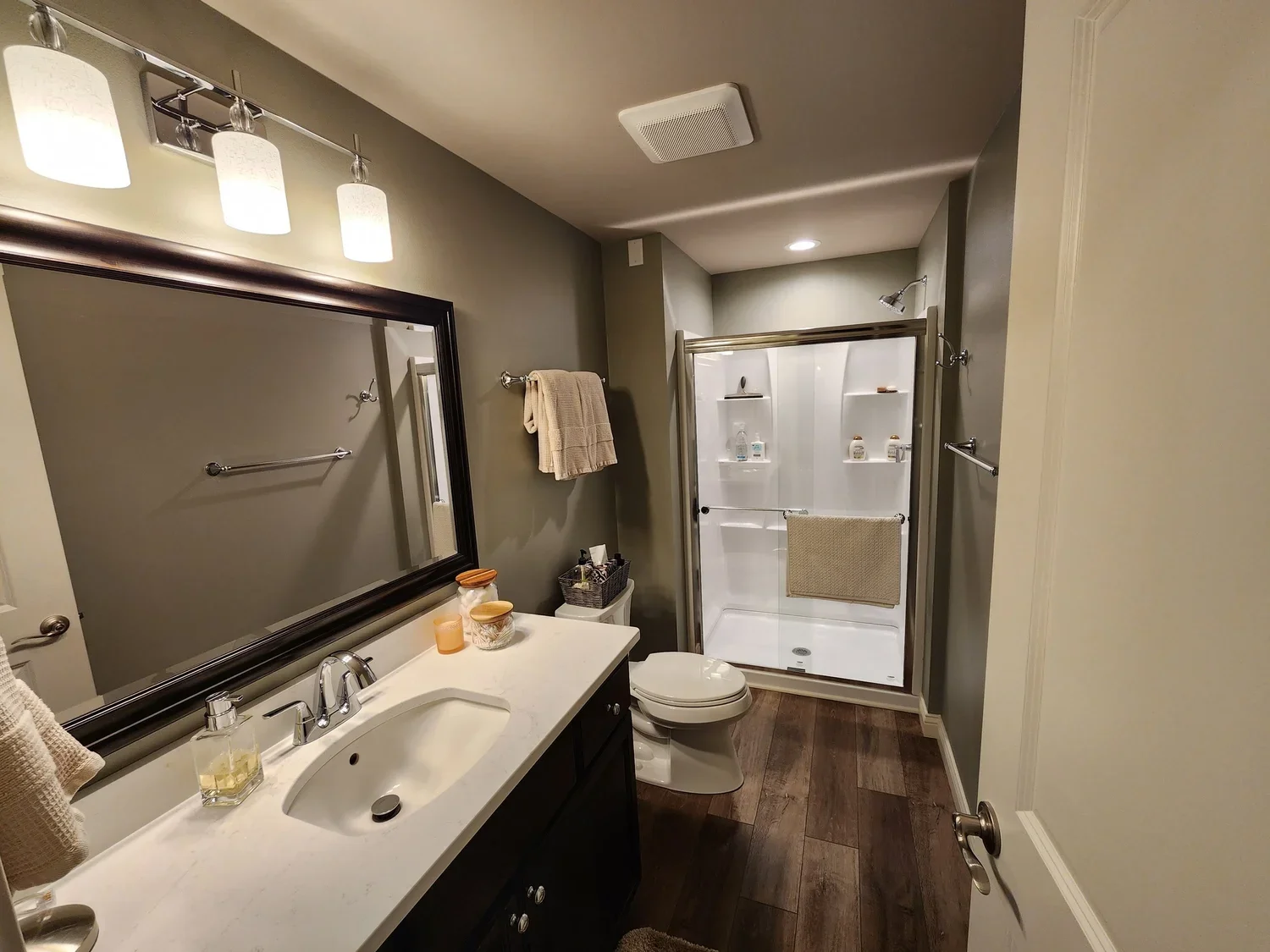
Step 7: Final Touches and Clean-Up
Once the remodel is complete, it’s time to add those final touches and do a thorough cleaning. Consider:
Accessorizing: Add luxury towels, new shower curtain or glass shower doors, and stylish bathroom accessories like soap dispensers or decorative baskets.
Cleaning: After weeks of construction, the bathroom will likely need a deep clean. Many remodeling contractors will clean up the space for you, but be sure to do a final sweep to make sure everything is sparkling.
Inspect Everything: Check that all the plumbing is working, there aren’t any visible leaks, the lighting fixtures are functional, and all surfaces are polished.
Step 8: Enjoy Your New Bathroom
Finally, step back, take a moment, and admire your newly remodeled bathroom. Whether you’ve created a tranquil escape or a bold, modern space, the final result should be something you’re proud of.
Conclusion
A bathroom remodel doesn’t have to be overwhelming. With a little planning, a solid budget, and a trusted contractor, you can transform your bathroom into the perfect space that suits both your style and needs. By following these steps, from initial planning to the final touches, you’ll ensure a smooth remodel that results in a beautiful, functional bathroom you can enjoy for years to come.
Ready to start your bathroom remodel? Contact us today for a free consultation and let’s bring your vision to life!